

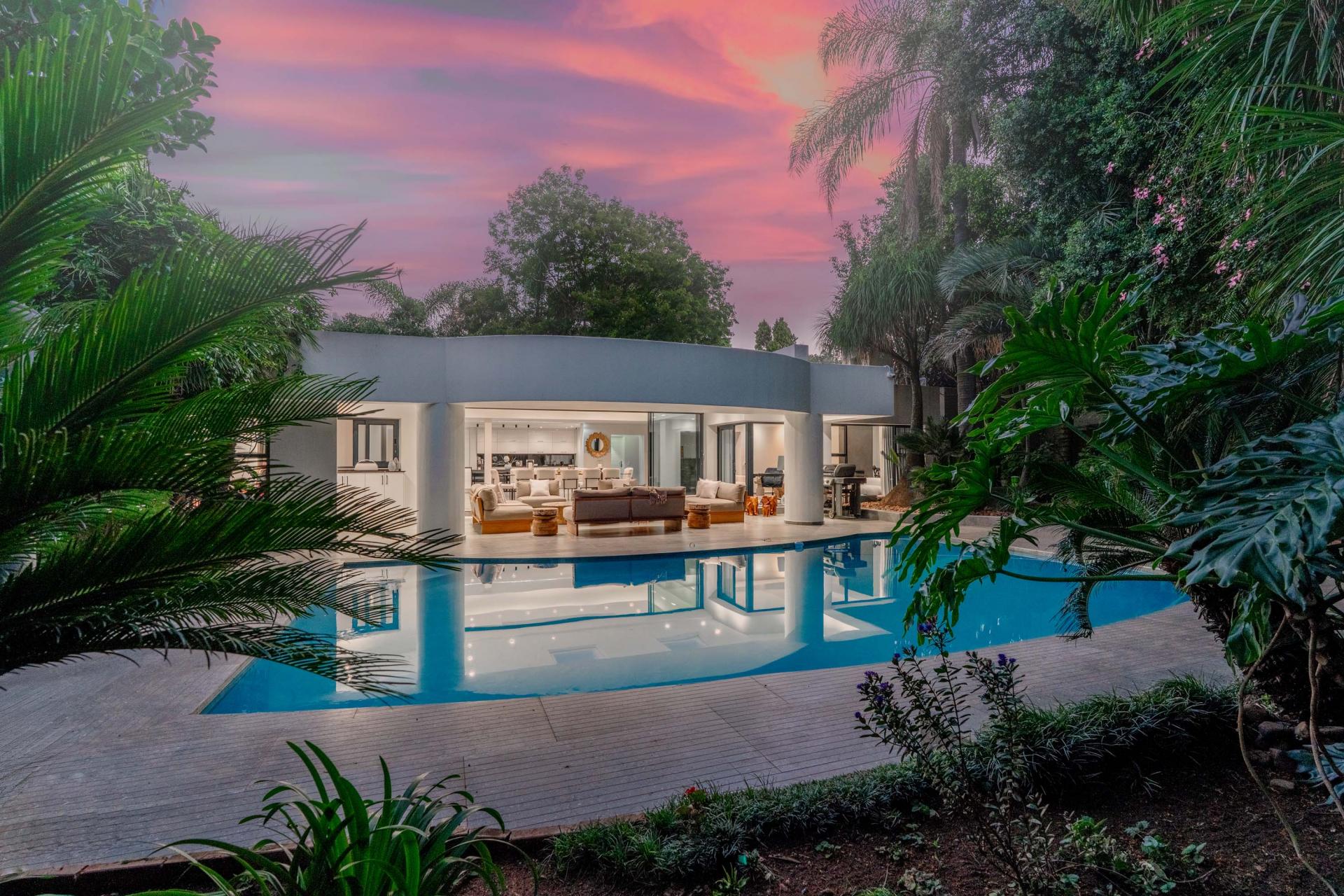
Homeowners in Melbourne’s bayside suburbs often want a pool that suits their block, budget, and lifestyle. Aquarius Pools in Melbourne builds and installs fibreglass pools across the metropolitan area. In particular, the team works with families in Hampton and Sandringham, where sandy soil, tight lots, and heritage overlays shape every project.
Key Takeaways
- Aquarius Pools in Hampton and Sandringham provides fibreglass pool design, supply, and installation for local homes.
- Fibreglass shells arrive pre-moulded, so installation usually takes far less time than a concrete build.
- Bayside blocks are often narrow, therefore compact and plunge-style models suit many properties.
- Council permits, building approvals, and fencing rules apply to every residential pool in Victoria.
- Sandy and reactive soils require careful excavation planning and proper shell support.
- Running costs depend on pool size, heating choice, and the filtration system installed.
- A free consultation helps owners compare shapes, sizes, finishes, and indicative pricing.
- Regular water testing and basic maintenance keep a fibreglass pool clean and safe for years.
Why Hampton and Sandringham Homeowners Choose Fibreglass
Hampton and Sandringham sit close to Port Phillip Bay. Many homes here feature established gardens, older architecture, and limited backyard space. Fibreglass suits these conditions well, because the shell is built in a factory and lifted into place in one piece.
Furthermore, the gel-coat surface feels smooth underfoot. It also resists algae better than rougher finishes. As a result, owners spend less time scrubbing and fewer dollars on chemicals.
What Aquarius Pools Offers Local Residents
Aquarius Pools in Melbourne supplies a range of shell sizes, from small plunge pools to full family swimming pools. Additionally, the company offers different colours, entry steps, and optional spa sections. Owners can match a design to the style of the house rather than forcing the house to fit the pool.
In Hampton and Sandringham, the team also helps with site assessments. Specifically, staff check access for cranes, measure setbacks, and review drainage. Indeed, these early steps prevent costly surprises later.
How the Installation Process Works
A typical project begins with a consultation at the property. The builder then confirms the pool model, position, and fencing plan. Subsequently, the paperwork goes to council and the building surveyor.
Once approvals arrive, excavation starts. Crews prepare a level base, lower the shell by crane, and backfill around it. Afterwards, they install plumbing, equipment, paving, and a compliant safety barrier. Most fibreglass installations finish within weeks, whereas concrete pools can take months.
Local Site Conditions That Affect Your Pool
Bayside soil can be sandy, and the water table sits relatively high in some streets. Therefore, excavation needs careful planning. Groundwater may require dewatering during the dig, and the shell may need extra ballast or support.
Access matters as well. Narrow driveways and overhead power lines can limit crane placement. For example, a street with parked cars and tall trees may need a traffic management plan. In other words, a good site visit saves both time and money.
Permits, Fencing, and Safety Rules in Victoria
Victorian law requires a building permit for most residential pools. Moreover, owners must install a compliant barrier before filling the shell with water. Councils in Bayside and Glen Eira areas may also apply overlays for heritage or vegetation.
Safety rules cover gate latches, fence heights, and nearby climbable objects. Consequently, a pool builder who understands these standards helps owners pass inspections the first time. Not only does this protect children, but it also avoids delays.
Choosing a Pool Size and Shape for a Compact Block
Small yards still fit a pool. A plunge pool suits a courtyard, while a longer lap pool works along a side boundary. Meanwhile, rounded corners and built-in seating help a smaller shell feel generous.
Owners should think about how they will use the space. For instance, families with young children may want a shallow shelf. In contrast, fitness swimmers usually prefer length and consistent depth.
Running Costs and Ongoing Maintenance
Pool costs continue after the build. Electricity for the pump, gas or heat pump heating, and chemicals all add up. However, a well-sized filter and an efficient pump reduce these expenses.
Basic care is simple. Test the water weekly, empty skimmer baskets, and brush the walls now and then. In addition, a pool cover limits evaporation and keeps debris out.
Booking a Consultation in Hampton or Sandringham
Homeowners who want accurate pricing should request an on-site visit. The consultant measures the yard, discusses budget, and explains available models. Additionally, the visit gives owners a chance to ask about timelines, warranties, and landscaping options.
Bring a rough wish list to the meeting. Include preferred size, heating needs, and any plans for decking or a spa. With that information, the builder can prepare a clear quote that fits the property.